


Elf (2003) isn’t just about yelling “SANTA!!” in a department store or drinking syrup coffee for breakfast.
It’s about a system that stopped working and one human’s attempt to restore belief.
Buddy grew up in a world where signals mattered.
Where the sleigh flew because the team was aligned.
Where timing, action, and joy were all part of the operating model.
Then he landed in New York.
Where no one believed anymore.
Where alerts got ignored, teams didn’t talk, and the sleigh (aka the GTM engine) couldn’t get off the ground.

Sound familiar?
Buddy’s original stack was tight:
- Papa Elf: Ops + enablement
- Mailroom: SDR program
- The Naughty List: Ideal fit filtering
- Christmas Spirit: Activation layer
- The Sleigh: Full funnel execution
Every part had a role. When belief was high, the system moved.

Then Buddy entered your GTM funnel:
- Sales didn’t know who clicked the ad
- Paid was targeting accounts no one had touched in weeks
- Lifecycle emails went out three days too late
- And the “signal” was a static list uploaded on the 15th
He’s confused. He’s enthusiastic. He’s about to rebuild everything.
The GTM problem:
Everyone’s running, but there is little coordination
Many marketing teams today aren’t missing data.
They’re missing motion.
They’ve got:
- pricing page visits
- CRM stages
- job change alerts
- comparison clicks
- intent surges
But nothing triggers action at the right time.
Sales doesn’t trust it.
Marketing doesn’t own it.
RevOps is caught in the middle with a Jira ticket and no resolution.
And like Buddy confronting a fake Santa…
“You sit on a throne of lies!”

That’s what Signal-Driven Ad Audiences were built to fix.
The fix: Surround Sound GTM
✨ Vector’s Signal-Driven Ad Audiences let GTM teams turn contact-level signals into real-time, dynamic paid audiences that update automatically and coordinate with the rest of your funnel.
You get:
- 💡 Contact-level audience creation from real behavior (not just intent scores)
- 🔁 Dynamic syncing to ad platforms like LinkedIn, Meta, Google, Reddit, and YouTube
- 🧵 Coordination across ads, outbound, and lifecycle (finally)
- 🎯 Contextual alerts for Sales when buyers engage, no forms required
- 📈 Attribution that tracks real impact, not just clicks
This isn’t about adding another touch.
It’s about making sure every touch hits at the same time with the same message.
That’s surround sound GTM.
Our Head of RevOps Sara McNamara’s rule: Signals without action are just noise.
“If no one sees the signal, no one acts. If no one acts, it’s just noise. And if it’s just noise, it’s not GTM, it’s a very expensive report.”
Surround sound GTM works when:
- 🗣 Messaging is consistent
- 👤 Contacts are real, not account-level guesses
- ⏰ Timing is immediate, not quarterly
Buddy didn’t plan a 12-month nurture sequence.
He saw the moment and he moved.

The GTM stack behind it
Here’s what powers our own surround sound GTM motion:
- Vector: The signal layer—real-time audiences, alerts, segmentation, orchestration
- Clay: Enrichment (titles, seniority, tech stack, company info)
- HubSpot: Lifecycle logic, CRM sync, campaign reporting
- Slack: Signals routed to the right reps in real time
- Default: Instant lead routing for inbound/demo forms
- Instantly: Email sequences aligned with signal timing
- Heyreach: LinkedIn outreach synced to warm audiences
- Zapier: The glue to make it all move fast
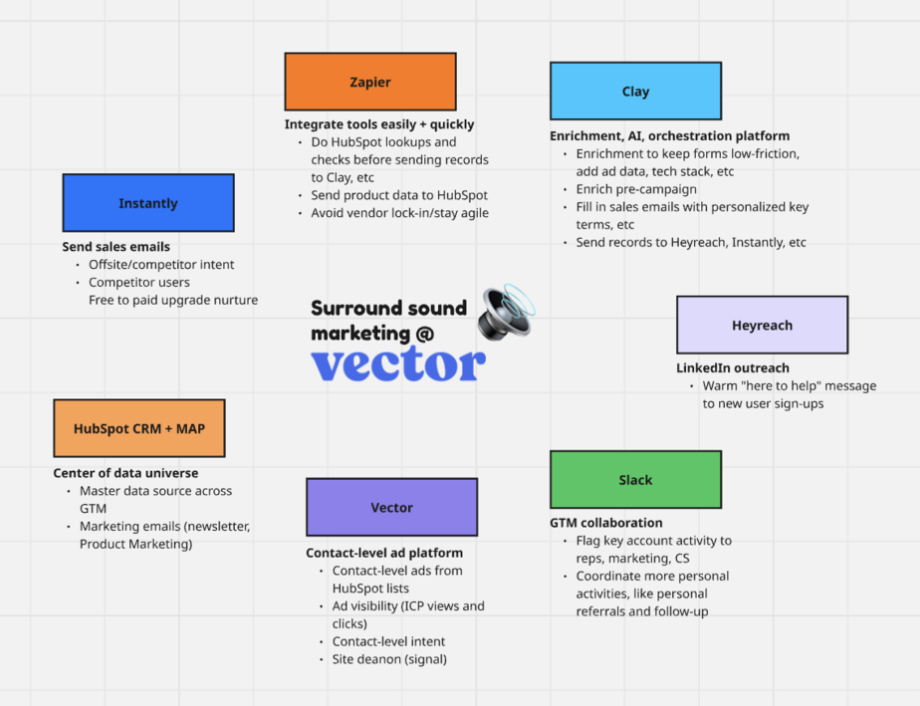
Vector’s role?
Signal in → Action out.
No spreadsheets. No “oops.” No delay.
Want more insight from Sara on signals? Check out her recent blog, "Ops Signals: A Practical Guide for GTM Teams"

Real GTM moments, Buddy-style
🎄 “I’m a cotton-headed ninny muggins”
When your CRM signals go nowhere.
That moment when a high-intent contact clicks pricing... and no one follows up. Not because Sales didn’t care because they didn’t see it.
So what: Unworked signals are silent churn.
Try this: Use Vector to auto-alert Sales when behavior changes, not after the lead goes cold.
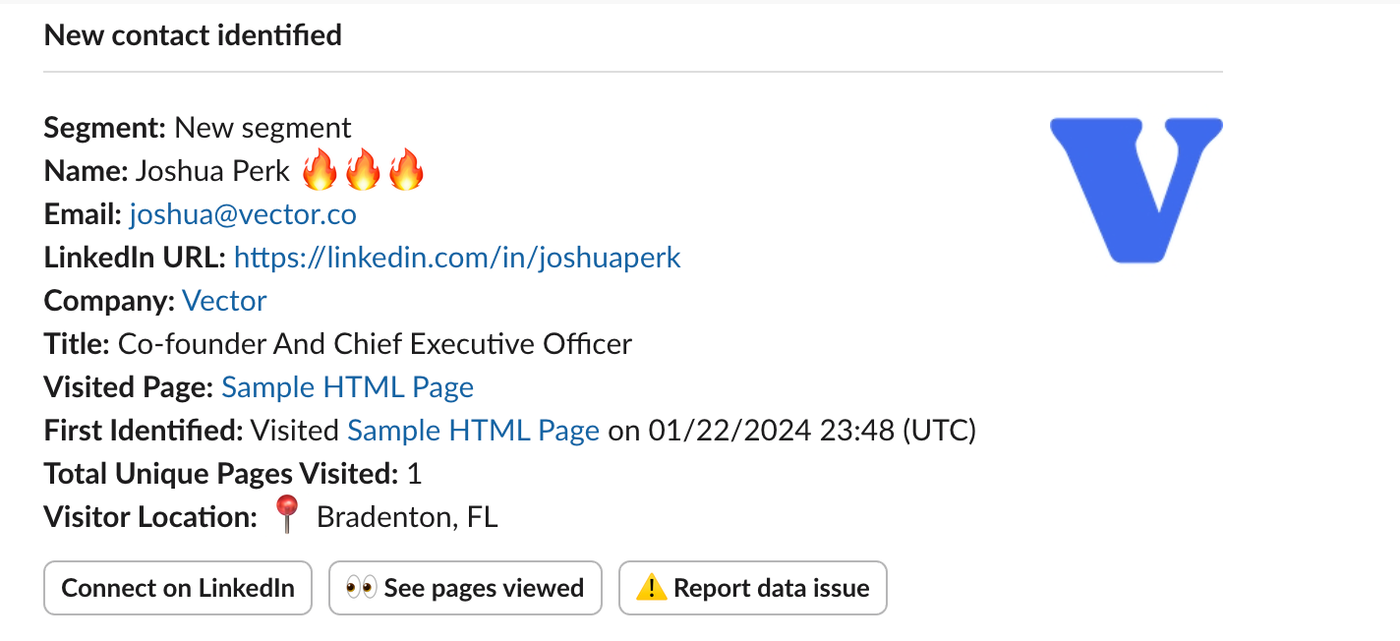
More on setting up Slack notifications here.
🎤 “Baby, It’s Cold Outside”
Coordinating touches across channels.
Jovie didn’t expect Buddy to harmonize in the shower. Your buyers don’t expect LinkedIn, lifecycle, and email to hit together either.
So what: Surprise + consistency = conversion.
Try this: Sync your audiences across paid, outbound, and nurture so your story follows the buyer, not the other way around.
🧣 “That’s not Santa. You sit on a throne of lies.”
Static retargeting + fuzzy match rates.
That sinking feeling when ad platforms claim 85% match, but your reps say, “We’ve never seen these names.”
So what: Match rate doesn’t matter if the audience is wrong.
Try this: Use Signal-Driven Ad Audiences to target real contacts, not guessed personas, so paid connects and Sales trusts the data.
More on ad audiences best practices in this article.
🥶 Snowball fight
Outbound and paid moving out of sync.
Buddy had a 5-second activation window and 100% accuracy. Most outbound teams are firing blind.
So what: You don’t need more sequences. You need warm ones.
Try this: Trigger outbound from ad engagement or pricing visits. Let Sales throw the snowball after you’ve softened the target.
📝 “I planned out our whole day...”
Great marketing ideas with zero orchestration.
We’ve all been there: beautiful campaign decks, misaligned execution. Paid goes live, outbound forgets, CS is out of the loop.
So what: Plans don’t drive pipeline, coordination does.
Try this: Build shared audiences across teams using live signals, so every part of GTM knows what’s happening and when.
Here's a great surround sound play to try.
The finale
The sleigh doesn’t fly because someone hits “Send.”
It flies when the system works and belief is restored.
Workbar, a Boston-based coworking brand, wanted to stop wasting spend on broad audiences and static lists.
How they did it:
- Built contact-level segments based on ad engagement and pricing page views
- Layered in member/broker status, location, and lifecycle filters in HubSpot
- Synced dynamic audiences to Meta and Reddit
- Routed real-time Slack alerts to Sales when key contacts re-engaged
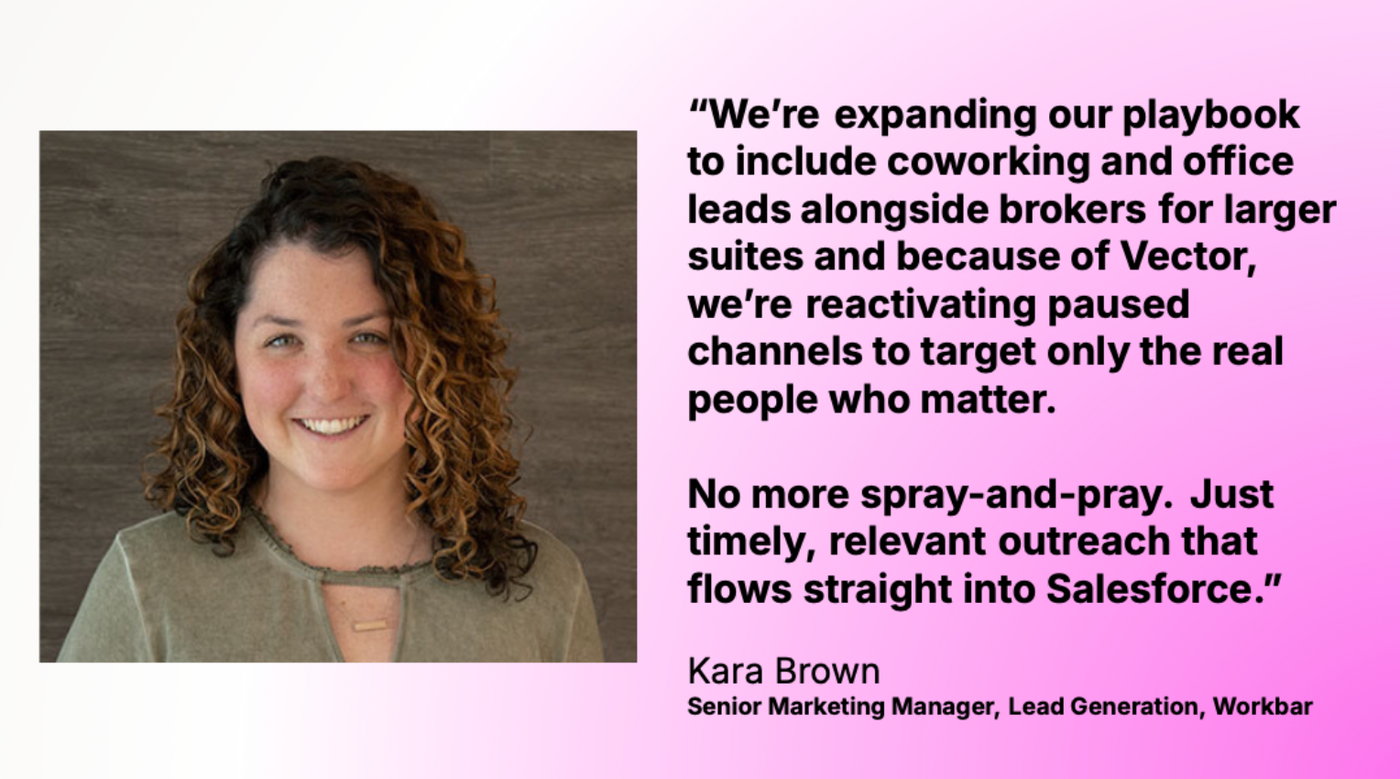
The result:
Meta, which had been turned off due to poor performance, is now back and converting.
Airbyte spends ~$2M/year in paid. They needed to know which real people were researching them. On and off their site.
How they did it:
- Built segments off competitive intent and research keywords
- Used Vector to filter by job title, company size, and intent level
- Synced contact-level audiences into LinkedIn, Reddit, Meta
- Ran competitive campaigns with sub-$0.64 CPC on LinkedIn
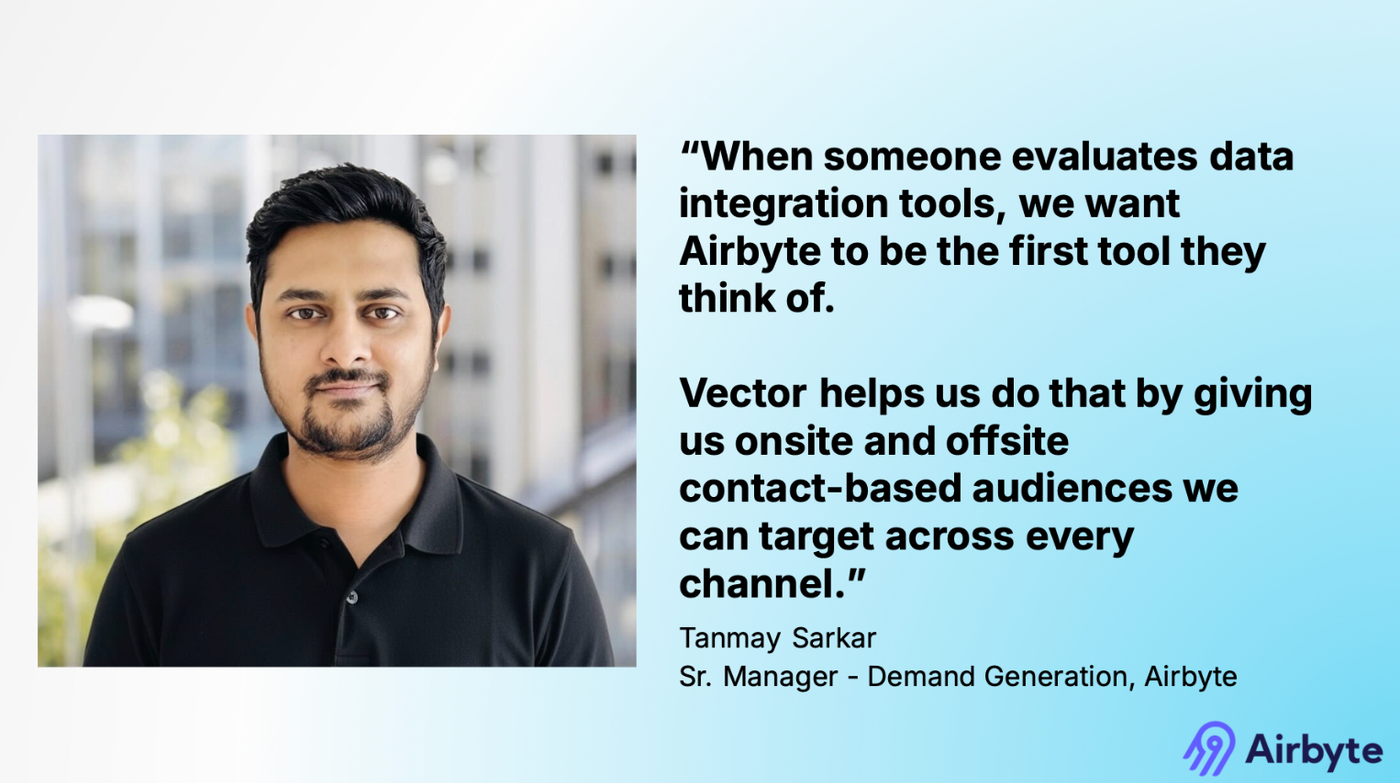
The result:
Better match rates, more enterprise inbound, and clearer campaign attribution.
Plan 2026 like a GTM elf
✅ Know which signals create motion
✅ Target people, not accounts
✅ Update audiences dynamically
✅ Align outbound, paid, and lifecycle
✅ Track actual pipeline, not just clicks
Final note
You don’t need more Martech.
You need more belief in signals, in timing, in your ability to show up when it matters.
Signal-Driven Ad Audiences help GTM teams stop guessing and start executing.
Like Buddy said:
“The best way to spread GTM cheer… is to listen loud and clear.”